


How Digital Skills Can Help Students Become Career-Ready
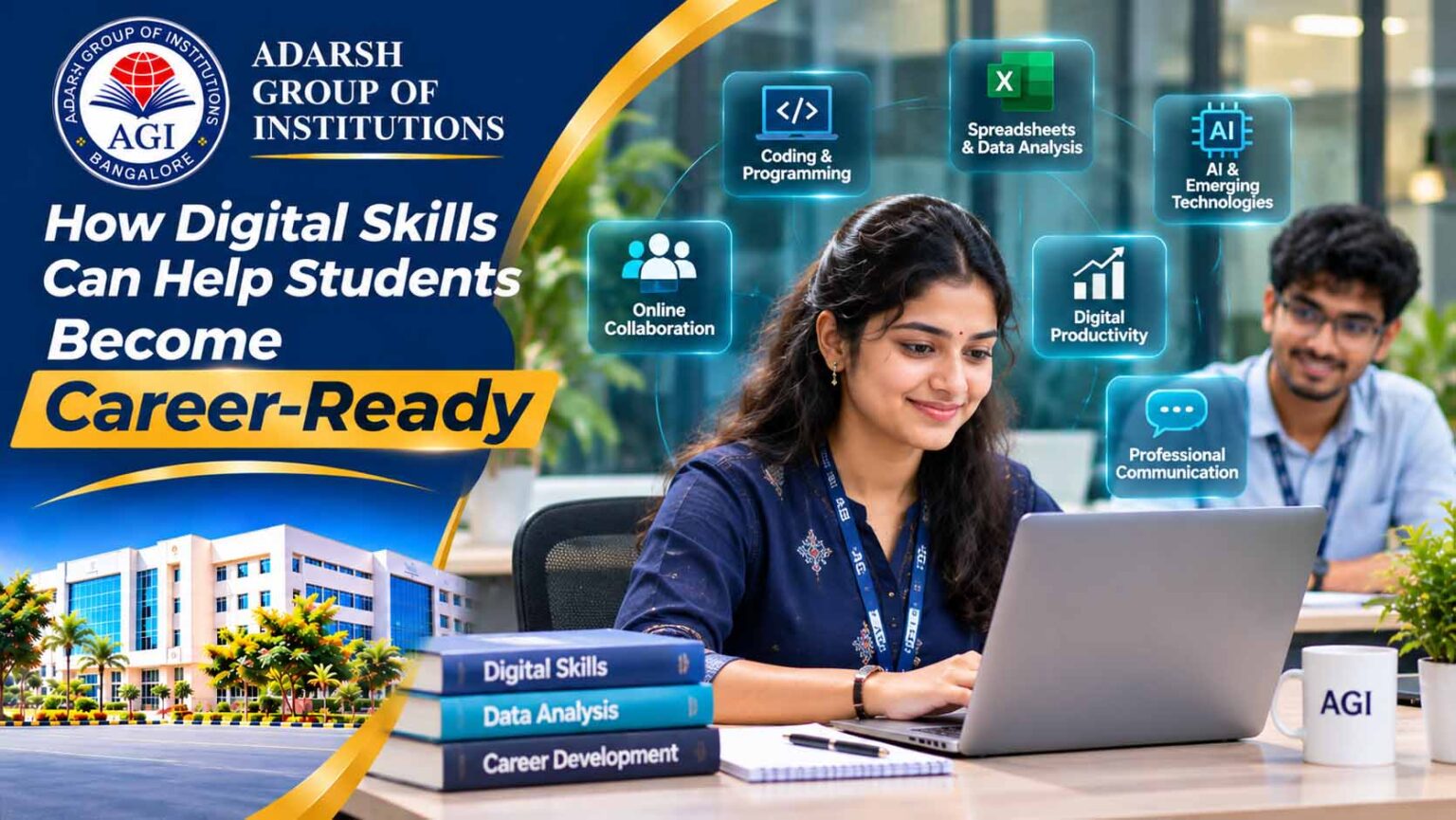
The modern workplace is increasingly influenced by technology. From communication and documentation to data analysis and project management, digital tools are now part of everyday professional activities.
As industries continue to adopt new technologies, students need more than academic qualifications to prepare for future careers. Digital skills help them use technology confidently, solve problems, communicate effectively and adapt to changing workplace requirements.
For students pursuing higher education, particularly those balancing work and studies, developing digital skills can create valuable opportunities for personal and professional growth.
Importance of Digital Skills
Computer Literacy
Data Management and Analytical Skills
Artificial Intelligence and Emerging Technologies
Online Safety and Cybersecurity
Build a Professional Digital Presence
Encourages Learning
Develops Communication and Collaboration Skills
Digital communication has become an essential part of modern workplaces.
Students should become familiar with professional email writing, video conferencing, messaging platforms and collaborative applications.
Tools such as Microsoft Teams, Google Workspace and Zoom help individuals communicate, share information and work together remotely.
Learning these tools helps students participate in group projects, online meetings and professional discussions.
Understanding the Importance of Digital Skills
Digital skills refer to the ability to use computers, software, online platforms and digital technologies effectively.
These skills are useful across different industries, including education, business, finance, healthcare, administration and information technology.
Students with digital knowledge can perform everyday tasks more efficiently, access information, collaborate with others and adapt to technology-driven work environments.
Improves Computer Literacy
Basic computer knowledge is one of the foundations of digital learning.
Students should understand how to use computers, manage files, browse the internet safely and work with common software applications.
Important computer skills include:
Using operating systems and managing files.
Creating and editing documents.
Preparing presentations.
Working with spreadsheets.
Using email and online communication tools.
Understanding internet safety.
These abilities are useful in both academic and professional environments.
Builds Data Management and Analytical Skills
Many organisations use digital information to make business decisions and improve operations.
Students can benefit from learning how to organise, analyse and interpret data.
Useful skills include:
Creating spreadsheets.
Using formulas and functions.
Preparing charts and reports.
Organising databases.
Understanding basic data analysis.
Presenting information clearly.
Knowledge of tools such as Microsoft Excel and Google Sheets can be valuable across many professional roles.
Encourages Learning Through Digital Platforms
Online learning platforms provide access to educational resources, tutorials and professional development opportunities.
Students can use digital platforms to explore new subjects, learn software applications and improve their existing knowledge.
Online courses and learning resources also allow students to study at their own pace.
This flexibility can be particularly useful for students who manage academic responsibilities alongside work or other commitments.
Improves Productivity and Time Management
Digital productivity tools help students organise their academic and professional responsibilities.
Calendar applications, task management platforms, spreadsheets and note-taking tools can make daily planning easier.
For example, students can use digital calendars to manage examination schedules, assignment deadlines and work commitments.
Learning to use these tools effectively encourages organisation, consistency and better time management.
Introduces Students to Artificial Intelligence and Emerging Technologies
Artificial intelligence is influencing the way people study, work and solve problems.
Students should understand how AI-powered tools can support activities such as research, writing assistance, data organisation and productivity.
However, using these technologies responsibly is equally important.
Students should:
Verify information generated by AI tools.
Protect personal and confidential information.
Avoid depending entirely on automated answers.
Understand the importance of originality and academic integrity.
Use technology to support independent thinking.
Understanding emerging technologies can help students become more adaptable in changing professional environments.
Strengthens Online Safety and Cybersecurity Awareness
Digital knowledge also includes understanding how to stay safe online.
Students should learn to recognise suspicious links, create strong passwords, protect personal information and identify online scams.
Important digital safety practices include:
Using strong and unique passwords.
Enabling two-factor authentication where available.
Avoiding suspicious downloads and links.
Keeping software updated.
Protecting personal and professional information.
Checking the reliability of online sources.
Cybersecurity awareness is an important skill for anyone using digital platforms.
Essential Digital Skills Students Should Learn
Here are some useful skills students can gradually develop:
| Skill | How It Helps |
|---|---|
| MS Office and Google Workspace | Documents, spreadsheets and presentations |
| Email Communication | Professional communication |
| Excel and Google Sheets | Data organisation and analysis |
| Internet Research | Finding and evaluating information |
| AI Tools | Supporting productivity and learning |
| Digital Collaboration | Teamwork and online communication |
| Cybersecurity Awareness | Protecting information |
| LinkedIn and Digital Portfolios | Professional visibility |
Conclusion
Digital skills have become an important part of career preparation. They help students communicate, organise information, solve problems and work confidently with technology.
For students pursuing higher education, developing digital abilities alongside academic knowledge can support better career preparation and professional growth.
The key is to keep learning, practise regularly and remain open to new technologies. By building strong digital foundations, students can prepare themselves for the opportunities and challenges of the modern workplace.
Continue Your Education at SRN Adarsh Evening College
Choosing the right evening college is an important step towards achieving your educational goals. SRN Adarsh Evening College offers programmes including PUC Commerce, B.Com and M.Com for eligible students seeking flexible learning opportunities.
Visit SRN Adarsh Evening College to explore available programmes and admission information.