


Education for Working Professionals
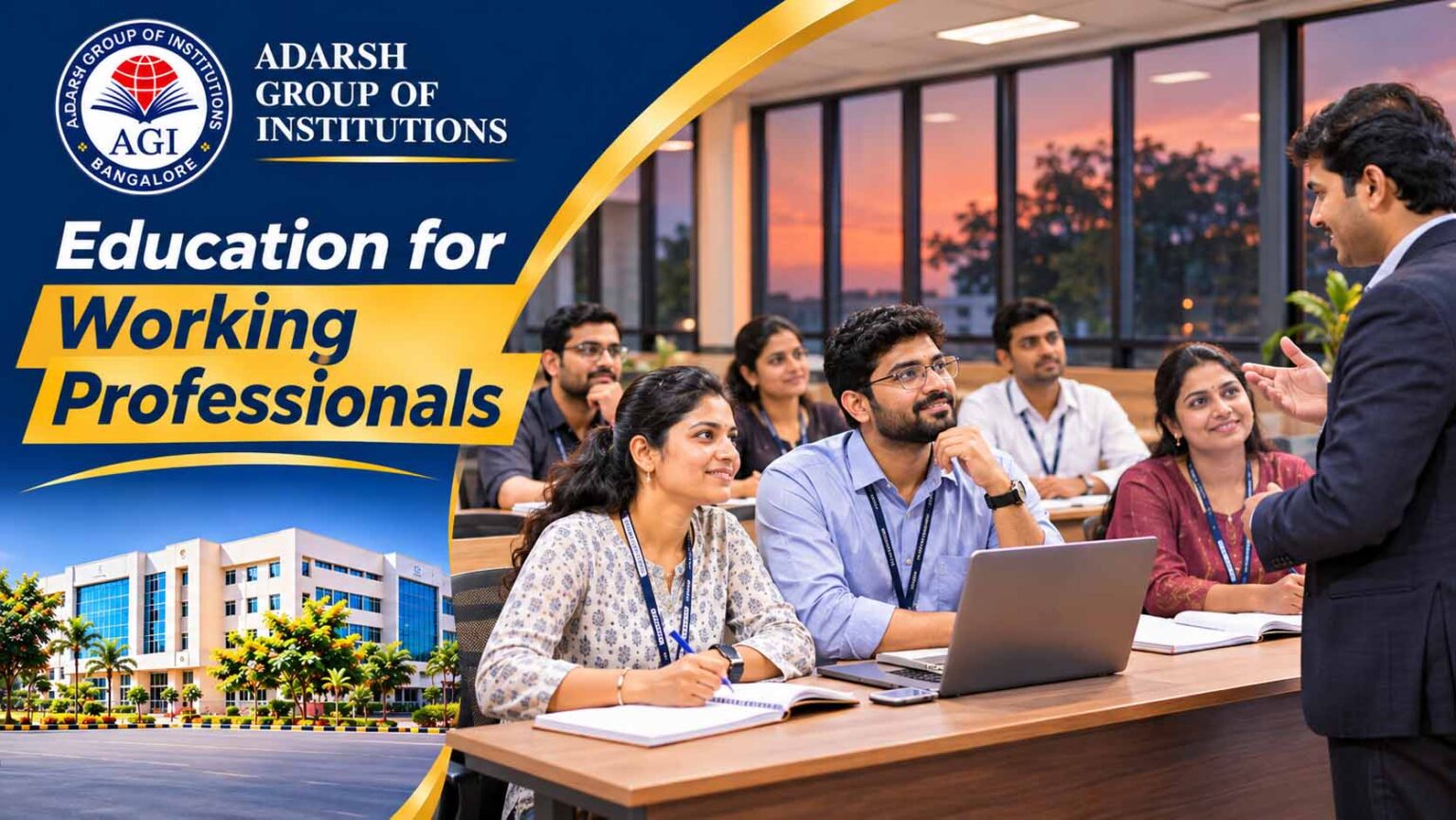
Education plays an important role in personal and professional development. However, many individuals begin working after completing their initial education and later find it difficult to continue studying because of job responsibilities, financial commitments and limited time.
For such individuals, continuing education provides an opportunity to improve their qualifications, gain new knowledge and work towards their career goals. Evening college education can be a useful option for working professionals who want to pursue higher education while managing their existing responsibilities.
Connecting Classroom Concepts with Real-Life Situations
Developing New Skills and Knowledge
Improving Career Opportunities
Building Confidence and Independence
Learning Alongside Other Students
Choosing an Education Path That Fits Your Goals
Why Education Matters for Working Professionals
The professional world continues to change with new technologies, business practices and workplace expectations. Knowledge and skills that were sufficient a few years ago may need regular improvement.
Continuing education helps working professionals stay informed, understand new developments and strengthen their academic foundation. It can also help them explore different career opportunities and prepare for greater responsibilities.
Balancing Work and Education
One of the main challenges for working professionals is managing both employment and academic commitments. A well-planned routine can make this process more manageable.
Creating a weekly timetable, setting realistic study goals and prioritising important tasks can help students use their available time effectively. Consistency is often more valuable than studying for long hours occasionally.
Evening college programmes can provide a learning schedule that may be more suitable for individuals who work during the day.
Developing New Skills and Knowledge
Higher education gives working professionals an opportunity to develop skills that support their professional growth.
Depending on their course of study, students may improve their communication, analytical thinking, computer knowledge, teamwork and problem-solving abilities. These skills can be useful across different industries and professional roles.
Learning new concepts can also help individuals approach workplace tasks with greater understanding and confidence.
Improving Career Opportunities
Educational qualifications can support career development by helping individuals meet the eligibility requirements for certain roles and further studies.
Working professionals who continue their education may be able to explore new responsibilities, consider different career paths or prepare for future opportunities.
However, career advancement also depends on practical experience, individual performance, relevant skills and the requirements of employers.
Building Confidence and Independence
Returning to education after starting a career can be a meaningful achievement. It requires commitment, discipline and the ability to manage multiple responsibilities.
Completing assignments, participating in classroom activities and working towards academic goals can improve confidence. Students also learn to take greater responsibility for their progress and make informed decisions about their future.
Learning Alongside Other Students
An educational environment brings together individuals with different experiences, interests and perspectives.
Working professionals can benefit from interacting with fellow students, participating in group activities and exchanging ideas. These experiences can improve communication and teamwork while creating opportunities to learn from others.
Choosing an Education Path That Fits Your Goals
Before selecting a course or institution, working professionals should consider their career interests, academic eligibility, course structure, class timings and personal commitments.
It is important to check the institution’s official information regarding admissions, course availability and attendance requirements. Choosing a suitable programme can help students manage their studies more effectively.
Conclusion:
Education does not have to stop when a person begins working. Continuing education offers working professionals an opportunity to improve their knowledge, develop useful skills and pursue long-term academic and career goals.
With careful planning, consistent effort and a suitable learning environment, individuals can continue their education while managing professional responsibilities. Evening college education can provide one possible pathway for those looking to balance both.
Continue Your Education at SRN Adarsh Evening College
Choosing the right evening college is an important step towards achieving your educational goals. SRN Adarsh Evening College offers programmes including PUC Commerce, B.Com and M.Com for eligible students seeking flexible learning opportunities.
Visit SRN Adarsh Evening College to explore available programmes and admission information.