
Menu
Adarsh PU College. Best PU College in South Bangalore

A JAIN INSTITUTION
SITADEVI RATANCHAND NAHAR
ADARSH PU COLLEGE
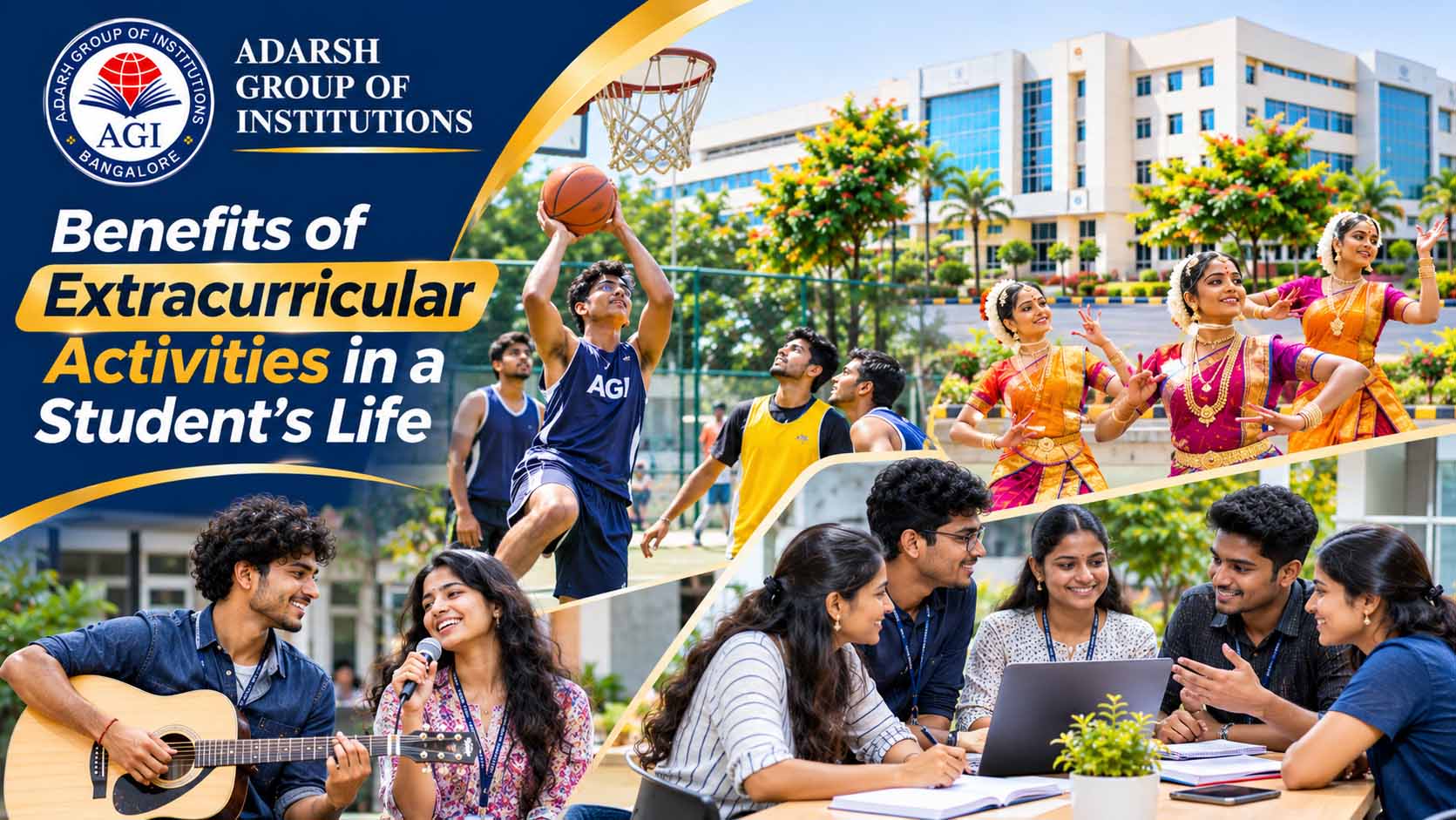
At the PU college level, balancing academics with extracurricular participation can help students experience a more engaging and meaningful educational journey.
Education is not limited to textbooks, examinations and classroom lessons. A student’s overall development also depends on the experiences and opportunities they receive outside academics. Extracurricular activities play an important role in helping students discover their interests, develop new abilities and build confidence.
Activities such as sports, cultural programmes, debates, music, dance, volunteering and student clubs provide opportunities to learn beyond the classroom. They encourage students to explore their talents while developing essential skills that support their academic, personal and social growth.
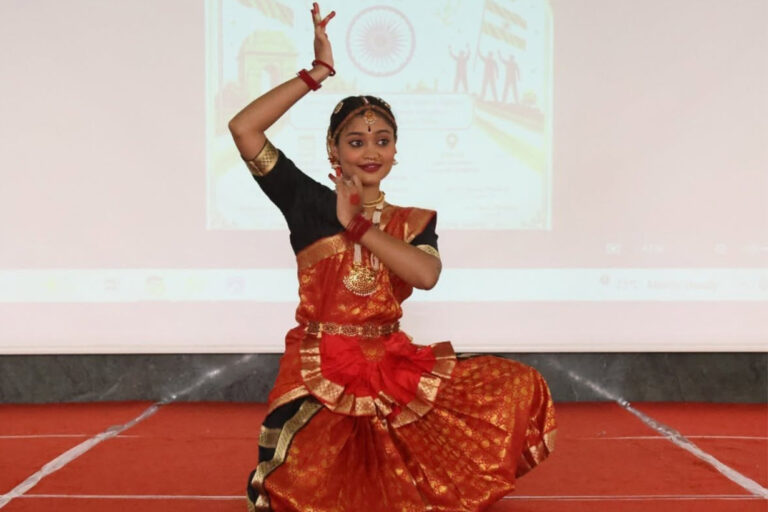
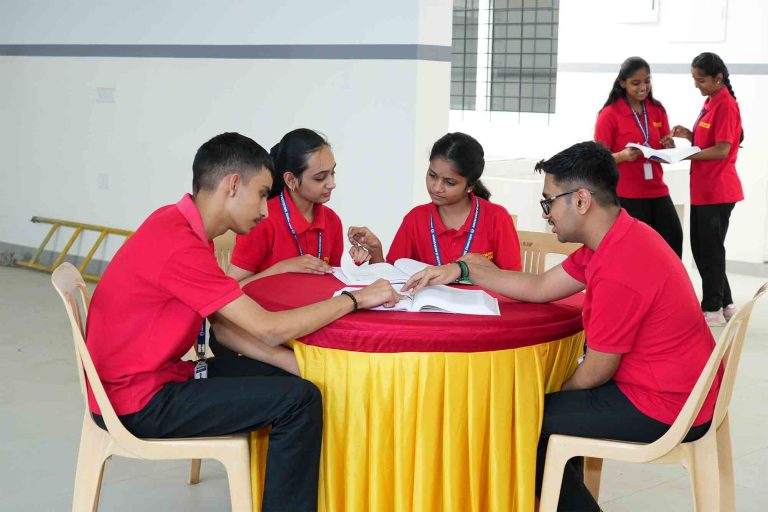
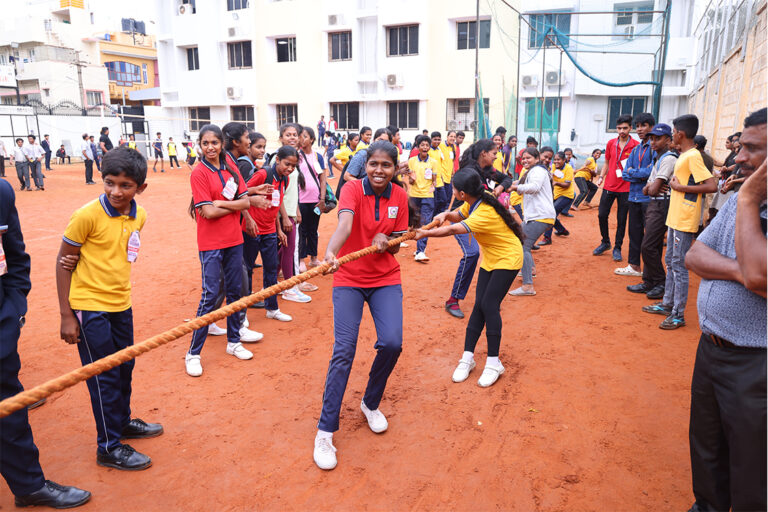
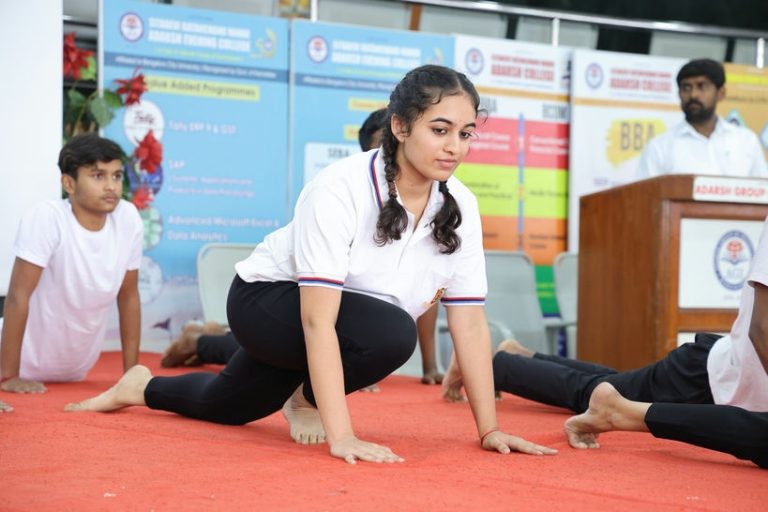
Participating in extracurricular activities gives students opportunities to express themselves and overcome their hesitation.
Whether delivering a speech, performing on stage, participating in a competition or representing their college in a sports event, students gradually become more comfortable in front of others.
Every achievement, regardless of its size, can help build self-confidence. Even when students make mistakes, they learn to accept feedback and improve their performance.
Communication is an essential skill for academic success and future professional life.
Activities such as debates, group discussions, presentations, theatre and public speaking encourage students to communicate their ideas clearly.
Through regular participation, students learn how to:
These abilities can support students during higher education, interviews and future careers.
Sports, yoga, fitness activities and outdoor games encourage students to maintain an active lifestyle.
Physical activities can improve fitness, coordination and stamina. They also provide a healthy break from academic routines.
Creative activities such as music, painting, dance and drama offer opportunities for self-expression and relaxation.
Maintaining a balance between studies and recreational activities can contribute to a healthier and more positive student experience.
Many extracurricular activities involve working with other students towards a common goal.
Sports teams, cultural committees, college events and group competitions teach students how to cooperate, share responsibilities and support one another.
Students who take leadership roles also learn to organise activities, coordinate teams, make decisions and handle responsibilities.
These experiences help develop leadership qualities that are useful throughout life.
Extracurricular activities encourage students to think differently and explore new ideas.
Art competitions, science exhibitions, photography, creative writing and cultural programmes provide opportunities to experiment and express original thoughts.
Students also encounter challenges while preparing for competitions or organising events. Finding solutions encourages independent thinking, creativity and decision-making.
Sports, yoga, fitness activities and outdoor games encourage students to maintain an active lifestyle.
Physical activities can improve fitness, coordination and stamina. They also provide a healthy break from academic routines.
Creative activities such as music, painting, dance and drama offer opportunities for self-expression and relaxation.
Maintaining a balance between studies and recreational activities can contribute to a healthier and more positive student experience.
Managing academics alongside extracurricular participation requires proper planning.
Students learn to prepare schedules, prioritise important tasks and complete responsibilities within deadlines.
For example, a student participating in a sports competition while preparing for examinations must learn how to allocate time effectively.
These habits can improve discipline, consistency and personal responsibility.
Not every student discovers their strengths through classroom learning alone.
Extracurricular opportunities allow students to explore different interests, including sports, music, dance, technology, public speaking, art and social service.
Through participation, students may discover abilities they did not previously recognise.
Understanding personal interests can also help students make more informed decisions about future education and career opportunities.
College activities bring together students with different interests, backgrounds and perspectives.
Participating in group activities encourages interaction, cooperation and mutual respect.
Students learn how to build friendships, appreciate different viewpoints and work comfortably with others.
These social experiences help create a positive and supportive learning environment.
Extracurricular activities make college life more interactive and engaging.
Cultural celebrations, sports competitions, student clubs, educational exhibitions and community initiatives create opportunities for students to participate actively in campus life.
These experiences help students develop a sense of belonging and create meaningful memories during their PU education.
The skills developed through extracurricular participation can support students beyond their college years.
Universities, employers and professional environments often value qualities such as communication, teamwork, leadership, creativity and adaptability.
Participation in activities also gives students experiences they can discuss during interviews, applications and personal introductions.
Although extracurricular achievements do not guarantee admission or employment, they can help students demonstrate their interests, initiative and personal development.
Students should understand that extracurricular participation is meant to complement academics, not replace them.
Here are some practical suggestions:
Extracurricular activities are an important part of a student’s overall development. They provide opportunities to develop confidence, communication, leadership, teamwork, creativity and discipline.
For PU students, participating in activities beyond academics can make the learning experience more enjoyable while helping them discover their interests and abilities.
A balanced educational experience combines classroom learning with opportunities to explore, participate and grow. Students should make use of these opportunities to develop skills that will support them throughout their lives.
Students planning their Pre-University education should compare available science combinations, academic support and learning opportunities before selecting a college.
Visit the SRN Adarsh PU College website to explore the available programmes and enquire about current admission requirements.
Effective revision strategies help PU science students organise their preparation, strengthen subject knowledge and identify areas for improvement. By following a realistic timetable, practising questions and maintaining healthy study habits, students can approach their board examinations with greater confidence.