

Menu


Best BSc Courses in Bangalore: Subjects, Specialisations and Career Paths
Explore science specialisations, practical skills and career opportunities.
Choosing the right science degree can help students build a strong foundation for higher education and professional growth. The Best BSc Courses in Bangalore offer pathways across science, technology, computing and other specialised fields. Students should select a programme based on their interests, academic strengths and long-term career goals.
Bangalore provides a wide range of educational opportunities, allowing students to explore science-related disciplines and develop analytical thinking, technical knowledge and problem-solving skills.

Popular BSc Courses and Specialisations
Students exploring BSc courses in Bangalore can consider different disciplines depending on their interests and the programmes available at each institution.
Computer Science
Programming, databases and computing
Physics
Scientific principles and analysis
Mathematics
Logic and quantitative reasoning
Chemistry
Chemical concepts and laboratory work
- BSc Computer Science: Introduces programming, computing concepts, databases and software development.
- BSc Mathematics: Develops quantitative reasoning, logical thinking and mathematical problem-solving.
- BSc Physics: Explores physical principles, scientific investigation and analytical methods.
- BSc Chemistry: Focuses on chemical processes, laboratory techniques and scientific applications.
- Other BSc Specialisations: Depending on the institution, students may find programmes in biotechnology, electronics, life sciences and related disciplines.
Before applying, check the specific course combinations, eligibility criteria and curriculum offered by the college.
Why Choose BSc Computer Science?

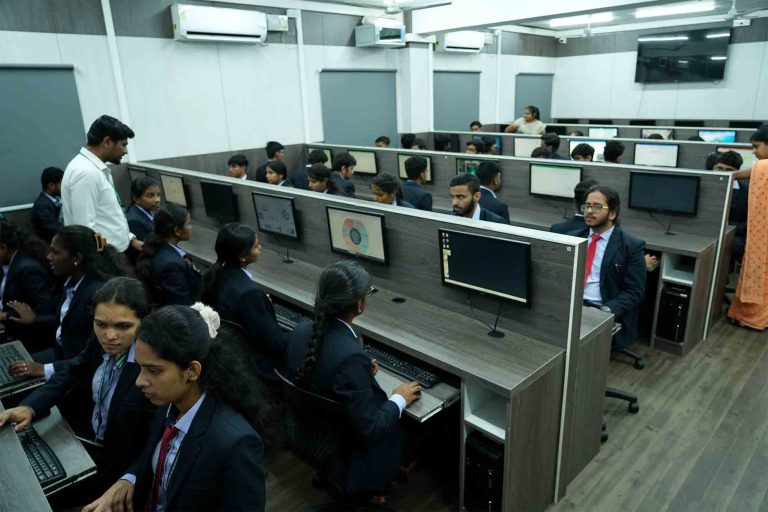
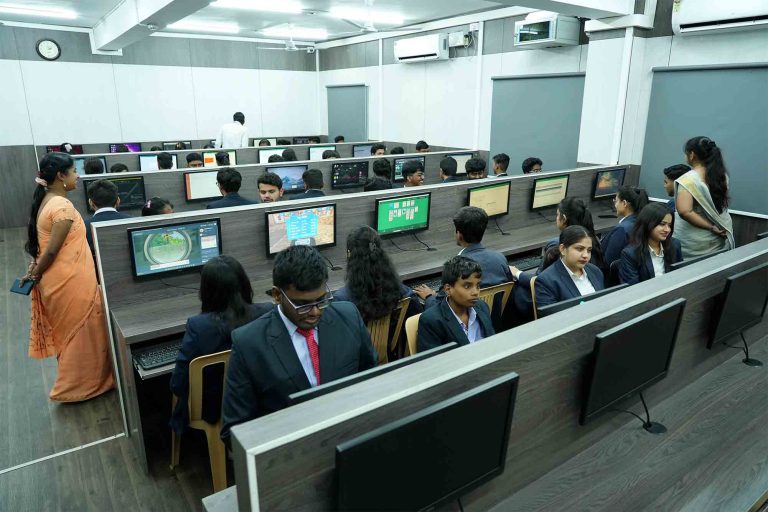
Students interested in computing and technology may consider BSc Computer Science as a pathway towards technical careers and further education.
The programme can introduce learners to programming fundamentals, database management, software concepts and computational problem-solving. These skills can support future opportunities in software development, IT services, technical support and related fields, depending on individual skills and additional qualifications.
Students can also strengthen their profiles through projects, internships, coding practice and relevant certifications.
Skills Students Can Develop During a BSc
- Analytical and logical thinking
- Research and problem-solving
- Technical and digital literacy
- Practical and laboratory skills
- Communication and teamwork
Practical projects and consistent learning can help students connect theoretical concepts with real-world applications.
Career Opportunities After BSc
Career options depend on the chosen specialisation, practical experience and additional qualifications. Graduates may explore opportunities in areas such as:
Information technology and software services
Data analysis and reporting
Laboratory and research support
Technical operations
Quality assurance
Further education and specialised training
How to Choose the Right BSc College in Bangalore
Before selecting a college, compare the following factors:
- Course curriculum and specialisations
- Faculty and teaching methodology
- Laboratories and learning facilities
- University affiliation and accreditation
- Internship and project opportunities
- Student mentoring and academic support
- Career guidance and placement services
- Course fees and admission eligibility
Evaluating these factors can help students identify a programme that suits their academic interests and future plans.
Explore BSc Education at SRN Adarsh College
SRN Adarsh College offers a range of undergraduate programmes. Students interested in science and computing can explore the available course details, eligibility requirements and curriculum before applying.
Learn more about BSc Computer Science at SRN Adarsh College and review the programme information to determine whether it matches your academic goals.
Finding the Best BSc Courses in Bangalore starts with understanding your interests, comparing specialisations and evaluating future career pathways. Consider course content, practical learning, faculty support and opportunities for further education before making your decision.
Choosing the right programme can help you develop scientific knowledge, practical skills and a foundation for future academic or professional growth.